
Diazepam 2mg PIL: What the Patient Information Leaflet Tells You
ORDER NOW
If a doctor has prescribed diazepam tablets, you will find a diazepam 2mg PIL inside the box. PIL stands for patient information leaflet, and it is a legal requirement for every medicine sold in the UK. This guide explains the leaflet in plain English, so you can understand what the tablets do, which risks matter and when to call your doctor. It does not replace your leaflet or your prescriber’s advice.
What Is a Diazepam 2mg PIL?
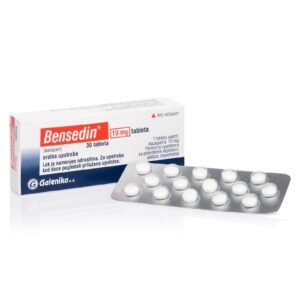
A diazepam 2mg PIL is the official document that comes with your tablets. It lists what the medicine is for, who should avoid it, possible side effects and how to store it. It also names the manufacturer, which matters because leaflets differ slightly between brands. Always read the leaflet from your own pack. You can also search for the electronic version on the Medicines and Healthcare products Regulatory Agency (MHRA) website or the electronic medicines compendium (emc).
What Is Diazepam 2mg Used For?
Diazepam belongs to a group of medicines called benzodiazepines. They calm the nervous system. In the UK, doctors may prescribe diazepam for:
- short-term relief of severe anxiety
- short-term treatment of difficult sleep problems
- muscle spasms
- alcohol withdrawal under medical supervision
- certain seizure conditions, alongside other treatment
The 2mg strength is often used when a doctor wants to start low. Your prescriber decides the dose, so follow their instructions exactly. Guidance generally says diazepam should be used at the lowest effective dose for the shortest possible time.
Who Should Not Take Diazepam 2mg?
The diazepam 2mg PIL lists conditions where the tablets may be unsuitable. These include severe breathing problems, sleep apnoea, severe liver disease and myasthenia gravis, a muscle weakness condition. Tell your doctor if you have kidney or lung problems, a history of depression, or past problems with alcohol or drugs. Diazepam is also not recommended as the main treatment for phobias or obsessional conditions.
Pregnant women and those breastfeeding should speak to a doctor before use. Older adults are more sensitive to diazepam and have a higher risk of falls and confusion.
Important Warnings in the Diazepam 2mg PIL
Alcohol. Drinking while taking diazepam increases drowsiness and can slow breathing. Avoid it.
Opioids and other sedatives. Combining diazepam with opioid painkillers, sleeping tablets or other sedatives can cause serious breathing difficulties. Always tell your pharmacist about every medicine you take, including those bought over the counter.
Driving. Diazepam can cause drowsiness and slow your reactions. In the UK, driving while impaired is an offence, and diazepam is covered by drug-driving law. A medical defence may apply if you took it as prescribed and are not impaired. If you feel drowsy, do not drive or use machinery.
Possible Side Effects
Common side effects listed in the diazepam 2mg PIL include drowsiness, dizziness, tiredness, muscle weakness, unsteadiness and memory problems. Some people feel confused or emotionally flat.
Seek urgent medical help if you notice an allergic reaction, such as swelling of the face or lips, a rash or difficulty breathing. Also contact a doctor if you experience unusual agitation, aggression or low mood, or if your breathing becomes slow or shallow.
Dependence and Stopping Diazepam
Dependence can develop in a few weeks, even at low doses. This is why prescriptions are usually short. Never stop taking diazepam suddenly after regular use, as withdrawal can cause anxiety, insomnia, tremors and, in serious cases, seizures. Your doctor can plan a gradual reduction.
If you feel you are taking more than prescribed, or that you cannot cope without the tablets, talk to your GP honestly. Support is available, and asking for help is nothing to be ashamed of.
How to Get Diazepam 2mg Safely in the UK
Diazepam is a prescription-only controlled drug. You need an assessment from a registered prescriber, such as your GP or a regulated service. The prescription must be dispensed by a registered pharmacy. Check that an online pharmacy appears on the General Pharmaceutical Council (GPhC) register and that it asks for your prescription and medical history.
Buying or selling diazepam without a prescription is illegal and risky. Never share your tablets with anyone else.
Beware of Fake Diazepam Tablets
Counterfeit tablets sold online or on social media are a serious danger. Some look identical to genuine diazepam but contain much stronger, unregulated sedatives, and these have been linked to overdoses. If a seller offers diazepam without a prescription, treat it as unsafe. A real pharmacy will always check your prescription.
Questions to Ask Your Doctor or Pharmacist
- How long should I take this medicine?
- Will it interact with my other medicines?
- What should I do if I miss a dose?
- How will we reduce or stop the tablets?
- Are there non-drug options, such as talking therapies, for my anxiety or sleep?
Final Thoughts on the Diazepam 2mg PIL
The diazepam 2mg PIL is your most useful safety tool. Read it fully before your first tablet, keep it for reference and follow your prescriber’s directions. If you have questions or side effects, speak to your pharmacist, GP or NHS 111. If you are struggling with your use of diazepam, your GP can help you find support